
For decades, the tabletop RPG industry has been pulling off the same magic trick, and it’s time someone finally breaks the magician's code.
Lately, the market has been flooded with "revolutionary new systems" and highly-praised independent releases. They change the artwork, clean up the layout, give it a gritty new name, and sell it to you as a brand-new experience.
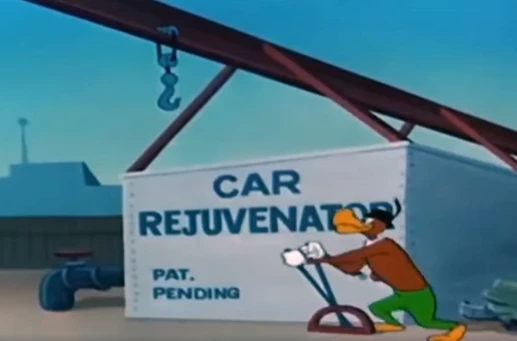

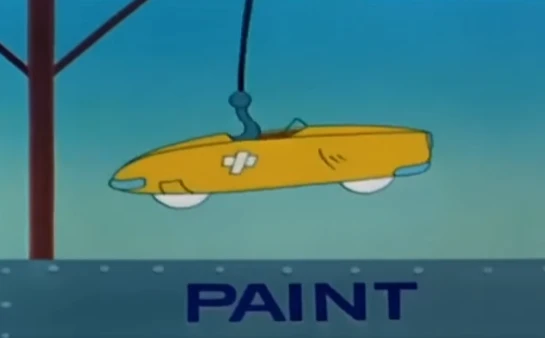

But if we are being 100% honest? It’s an illusion.
It’s the exact same thing as going to a junkyard, picking up a rusted, broken-down car from forty years ago, giving it a fresh coat of paint, and trying to sell it as a 2026 luxury model. Sure, it looks shiny on the outside. But the moment you take it to the table and push the engine, you realize you are dealing with the exact same mechanical failures, the same structural clunkiness, and the same old design flaws that the hobby has been dragging around since the 1980s.
A fresh coat of paint cannot fix a broken, outdated engine.
When a system leaves 90% of the mechanical burden on the Game Master's shoulders while limiting the players' choices to a simple, binary "roll the dice and pray," changing the font won't save your game from GM Fatigue.
If you want a different driving experience, you don't rebuild a wreck. You build a new machine from 100% raw, zero-mile material.
That is exactly why I designed Startrial completely from scratch.
I didn't want to patch up an old skeleton. Startrial was engineered from a blank page with a precise 60/40 mechanical balance: a framework that strips away the GM's rolling burden entirely through intuitive Threat Levels, while handing real tactical agency back to the players by allowing them to manipulate their Potency and Tension after the dice hit the table.
When the gears are actually born to work together, you don't need magic tricks to make the game flow.
The illusion is over. Are we going to keep buying polished scraps from the junkyard, or are we ready to drive something truly new?